
Lubrizol ESTANE® TPU
The Difference Is Inside
Lubrizol pioneered thermoplastic polyurethane in 1959. For over 30 years, its ESTANE® aliphatic TPU has set the benchmark for premium PPF, trusted in some of the highest-performing films worldwide. Every UPPF film is built on it.
Aliphatic TPU chemistry
Not all TPU is created equal
Lower-cost films use aromatic TPU, which is more affordable but prone to yellowing under UV exposure within one to two years. Lubrizol’s aliphatic TPU is inherently UV-stable, maintaining long-term clarity for the life of the film.
- Founded in 1959, a Berkshire Hathaway company.
- One of the world’s leading TPU manufacturers.
- ESTANE® aliphatic TPU in every UPPF paint protection film.

Inside the film
Six layers, three stay on the car
UPPF’s layer diagram, layer by layer. The optical PET on top and the release liner underneath come off at install. Cobia color PPF carries its color in its own layer under the TPU; Hammerhead clear PPF has no color layer, so it is five layers.
Point at or tap a layer, or tab through the list, to see what it does.
- 1Optical PETClear sheet over the top coat, peeled off before the film goes onRemoved for installation
- 2PLATICOAT™ topcoatSelf-healing, hydrophobic, UV-stable surfaceUPPF proprietary
- 3TPU base filmMain protection layer: non-yellowing TPU for impact absorption and elasticity, with an anti-yellowing coreLubrizol ESTANE®
- 4Multilayer color function layerCarries the color, under the TPUCobia series color PPF only
- 5Invisiglue™ adhesiveCrystal-clear bond, strong edge hold, clean removalUPPF proprietary
- 6Release linerCovers the adhesive until the film goes onRemoved for installation
Aliphatic versus aromatic
Why the price difference is real
| Property | UPPF Hammerhead | Typical budget PPF |
|---|---|---|
| TPU source | ✓ Lubrizol ESTANE®, aliphatic, verified | ✕ Generic domestic resin, unverified |
| Polyol type | ✓ Polycaprolactone, hydrolysis resistant | ✕ Polyester, prone to hydrolysis |
| UV stability | ✓ Non-yellowing, stays clear after 10 years | ✕ Aromatic TPU yellows within 1 to 2 years |
| Humid climates | ✓ Resists edge cracking and clouding | ✕ Ester bonds degrade, causing cracking |
The ingredients within your film have a major influence on the long-term performance of PPF. For PPF manufacturers, the right TPU is critical to ensuring three primary performance attributes: aesthetics, durability, and conformability.
PLATICOAT™ technology
Inspired by nature. Engineered to endure
The science behind UPPF paint protection film is inspired by the placoid scales of sharks: super hard, low-drag microstructures that resist abrasion and contaminants. Following that biology, our elastomeric TPU disperses impact and self-heals, while the proprietary PLATICOAT™ top coat adds a densely cross-linked, hydrophobic, UV-stable surface. The result is optically clear protection that repels grime and stays vivid for years.
360 Protection
Anti Yellowing
Stain Resistance
Self-heal
Water Repellent
What the film protects
After 3 to 5 years
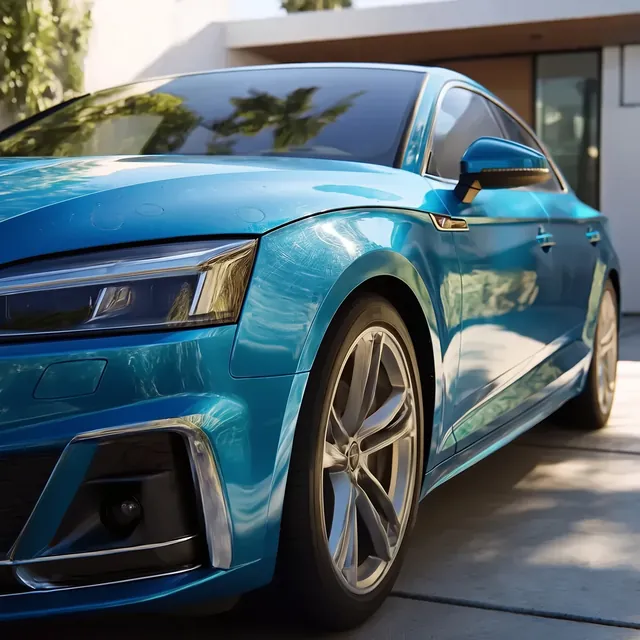
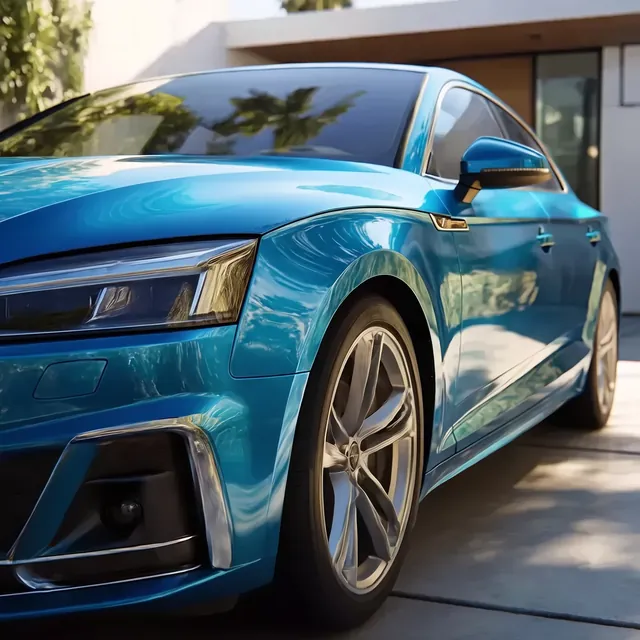
Illustration of the difference, not a photo of one tested car.
Further reading


Work with UPPF
Questions after reading the film inside?
Shops: ask for samples or apply for an account. Car owners: an authorized installer can quote your car.
Become a Dealer Request a free sampleKeep reading